Soft tissue sarcomas

13 February 2012
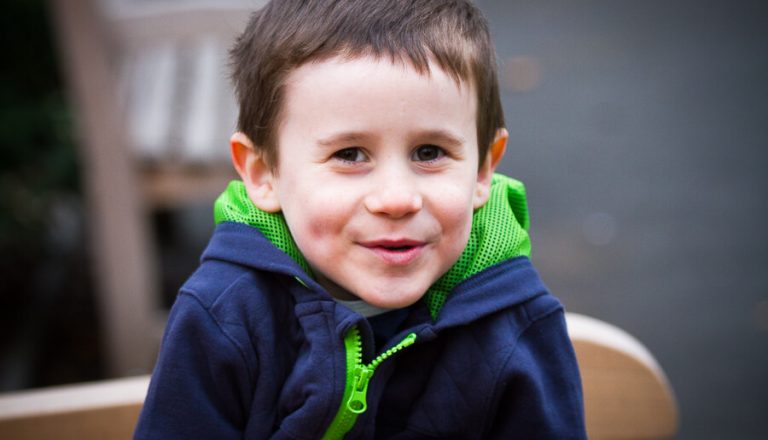
Young Ross has a soft tissue sarcoma under his eye
Soft tissue sarcomas account for 7% of all childhood cancers, with just over 100 children diagnosed every year in Britain.

Sarcomas are rare types of cancer that develop in the supporting tissues of the body, such as bone, muscle or cartilage.

Types of sarcoma

There are two main types of sarcoma:


  • Soft tissue sarcomas can develop in muscle, fat, blood vessels, or in any of the other tissues that support, surround and protect the organs of the body. Soft tissue sarcomas account for 7% of childhood cancer diagnoses in Britain, just over 100 children a year.
  • Bone sarcomas can develop in any of the bones of the skeleton (see Bone tumours for more information).

More than half (53%) of soft tissue sarcomas are rhabdomyosarcoma (RMS).

These derive from primitive muscles cells and can occur in almost all parts of the body. The most common areas to be affected are around the head and neck, the bladder or the testes. Sometimes tumours may be found in a muscle or a limb, in the chest, or in the abdominal wall.

Occasionally, if the tumour is in the head or neck region, it can spread into the brain or the fluid around the spinal cord.

Nearly two thirds of RMS are of the embryonal sub-type.

  • Other types of soft tissue sarcoma (non-rhabdomyosarcomas, NRSTS) include:
  • fibrosarcoma
  • malignant peripheral nerve sheath tumours
  • peripheral primitive neuroectodermal tumours (pPNETs)
  • Kaposi sarcoma and
  • Ewing and Askin tumours of soft tissue.

Read more: Read Ross' story

Incidence

Collectively, soft tissue sarcomas account for 7% of all childhood cancers, with just over 100 children diagnosed every year in Britain.

Incidence of all these sarcomas combined is highest in infancy. There is a sizeable male excess between the ages of 3 and 8 years, but at both lower and higher ages the incidence is similar among boys are girls.

RMS is the most common type of soft tissue sarcoma, accounting for 53 per cent of cases (and 4% of all childhood cancers).

  • 41% of RMS occur in the head and neck
  • 24% in genito-urinary sites
  • 23% in the main trunk of the body and
  • 10% in the limbs.

Causes

The causes of soft tissue sarcomas are unknown although children with certain rare genetic disorders, such as Li Fraumeni syndrome, have a higher risk of developing RMS.

Survival

Overall five-year survival from soft tissue sarcomas in childhood is 67 per cent. Within this, the rate for RMS is slightly lower at 63 per cent.

Age is an important prognostic factor for RMS. Children diagnosed at 10-14 years have five-year survival of only around 50 per cent, compared with at least 65 per cent for younger children. For other types of soft tissue sarcoma, however, diagnosis during infancy is associated with a low survival rate.

Diagnosis

Symptoms of soft tissue sarcomas depend on the part of the body affected.

The most common sign is a swelling or lump.

  • If the tumour is in the head area, it can sometimes cause a blockage and a discharge from the nose. Occasionally an eye may appear swollen and protruding.
  • If the tumour is in the abdomen, the child may have discomfort in the abdomen and difficulty going to the toilet.
  • If the tumour is in the bladder, the child may also have blood in the urine.

A variety of tests and investigations may be carried out to diagnose a soft tissue sarcoma. Blood and bone marrow tests will be taken. A biopsy may be taken. Imaging techniques – including x-ray and ultrasound, CT or MRI scans - will be used to determine the exact size and location of the tumour and to determine whether it has spread to other parts of the body.

Treatment

Soft tissue sarcomas are rare tumours and should be treated at specialist centres.

Treatment depends on the type of tumour, its size and position and whether it has spread. A combination of chemotherapy, radiotherapy and surgery is likely to be used.

Sometimes it will not be possible to remove the tumour by surgery either because it is too large, inaccessible or because it has spread to other parts of the body. In these cases, treatment is likely to involve a combination of chemotherapy and radiotherapy.

High dose chemotherapy may be required, predominantly in patients with relapsed disease, necessitating stem cell rescue to restore damaged bone marrow.

The benefit of chemotherapy is firmly established for RMS but not for NRSTS – surgery is considered the mainstay of treatment for children with these tumours.

Side effects of treatment

Treatment often causes side effects and these will be discussed with you before treatment starts.

The possible side effects depend on the treatment given and the part of the body being treated but may include nausea and vomiting, hair loss, reduced resistance to infection, bruising and bleeding, tiredness and diarrhoea.

These problems are all temporary and can be minimised with good supportive care.

Read more: Side effects of treatment

Long-term follow up

Children will have regular follow-ups to check for any recurrence of the cancer and for any problems which may arise as a result of the treatment they were given.

A small number of children may develop long-term problems because of the treatment they received for soft tissue sarcomas.

Surgery and radiotherapy may both cause functional or cosmetic problems depending on the area of the body in which the tumour occurred. Chemotherapy may cause problems with heart and kidney function, fertility problems and a small increase in risk of developing another cancer.

Read more: Long-term and late effects of treatment

References:
Cancer in Children: Clinical Management (5th edition). Eds: P A Voute, Ann Barrett, Michael C G Stevens and Hubert N Caron. Oxford University Press, 2005.
Childhood Cancer in Britain: incidence, survival, mortality. Ed by Charles Stiller. Oxford University Press, 2007.
Macmillan Cancer Support factsheet - Rhabdomyosarcoma in children (2010).

Comments

Help us by sharing this post
  • E-mail this story to a friend!
  • Tweet this
  • Facebook
  • del.icio.us
  • StumbleUpon
  • Digg
  • Google
  • LinkedIn
PostCounter

Sign up to our newsletter

Get monthly email updates from
CHILDREN with CANCER

Sign up now