
Childhood Leukaemia Guilt
I had been telling people how lazy Andrew was because he often refused to walk. I had been hard on him telling him he couldn’t have a piece of cake in the café unless he walked.
Guilt – At diagnosis
Was it my fault? Why him and not me? Why didn’t I know? How long had he been sick for? I had been telling people how lazy Andrew was because he often refused to walk.
I had been hard on him telling him he couldn’t have a piece of cake in the café unless he walked around the nature trail without me having to carry him. I was frustrated that all he wanted to do was sit and watch TV listlessly. I was annoyed that he wasn’t settling into pre-school and was teary because this was finally time I had to myself.
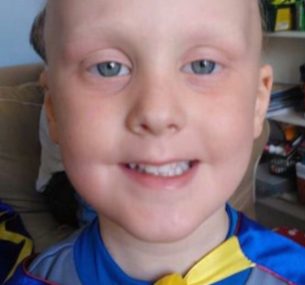
Patient Name: Andrew
Cancer Type: Leukaemia
Age when diagnosed: 3

Guilt – During treatment
Was I being a good enough parent to Clara? Was I doing enough at work, in my new job? Was I being a fun enough mummy for Andrew? How much TV was too much? Should I be going out and having fun with friends at the weekend when there is so much to do at home? Was I being a good enough wife?
After the shock of diagnosis and instant splitting up of the family, Joseph and I didn’t actually see each other to talk to, for more than 5 minutes, until almost a whole week later when both sets of parents were involved. We went to a pub and knowing that time was limited we couldn’t think of a thing to say whilst knowing that there was so much to talk about. Being together was the important thing and trying to find some normal.
Guilty feelings would creep in the times (Joseph and Andrew were inpatient) my parents had to sleep overnight in our house so that I could go to work at 7am and leave Clara asleep in bed. The times I would take Clara to school unable to tell her who would be picking her up. The time, in the middle of an intense cycle of chemotherapy, when Clara had been complaining all day about her toe hurting. On removing the sock her stitches from a recent operation were infected and swollen.
The times in steroid week when I NEEDED to escape Andrew who just wanted to be cuddled, be held or stroke me. I felt claustrophobic. The times I gave Andrew oral methotrexate on a Wednesday before a lumbar puncture (where methotrexate was injected into his spine) throwing everything off schedule. The times we forgot to give Andrew his chemo at bedtime – would that mean he would relapse?
Survivor Guilt
Every 14 minutes in the UK, someone is diagnosed with blood cancer or a related disorder. That’s almost 38,000 people every year – 104 each day.
Blood cancer research is saving lives; today, two thirds of everyone diagnosed with blood cancer will still be with us in five years’ time. When Blood Cancer UK (formerly known as Bloodwise) were founded in 1960, almost no-one survived for this long. Only 1 in 10 children with Leukaemia survived. Why was Andrew one of the 9 in 10 who survive childhood Leukaemia nowadays? To move beyond survivor guilt is to “look ahead and try to bring something good out of the experience”.
In my book the word Guilt actually only appears 4 times, I found it hard to be honest and write down. The word Good appears 51 times. Despite the guilt I constantly looked for the good so I wanted the book to be a record of our success and positivity. For the next family in our position to get hope and strength for the long dark days ahead, knowing that someone else had already been there, felt guilty and moved on. #CCAM #BCAM #questforacure #makebloodcancervisible
This article was reproduced with permission from author, Melody and was originally published at: melodyberthoudblog.wordpress.com 13.04.18
Want to share your story? Please email [email protected]
Other stories
We have lots of information to help you learn more about childhood cancer. From specific cancer types, to treatments and causes.
Patient Story – Alex
Alex’s leukaemia story Debbie’s son Alex was diagnosed with leukaemia when he was just three years old. Here, she shares…
Read more Patient Story – Alex
Patient Story – Jesse
It started with pains in Jesse’s legs Jesse was diagnosed with acute lymphoblastic leukaemia in April 2019 when he was…
Read more Patient Story – Jesse
Patient Story – Ellen
It started with bruising on Ellen’s arms and legs “My story has been long and I guess it’s not your…
Read more Patient Story – Ellen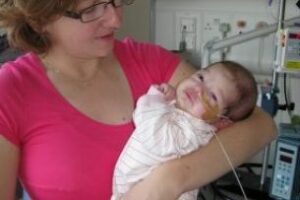
Parents run marathons in memory of baby born with leukaemia
Parents run marathons in memory of baby born with leukaemia The Essex parents who lost their daughter Isabel to cancer…
Read more Parents run marathons in memory of baby born with leukaemia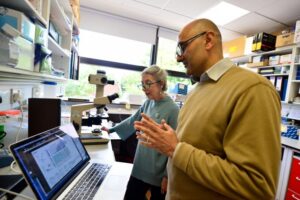
Genetic changes that lead to leukaemia in children with Down’s syndrome revealed
Genetic changes that lead to leukaemia in children with Down’s syndrome revealed The genetic mutations that take place during leukaemia…
Read more Genetic changes that lead to leukaemia in children with Down’s syndrome revealed
Mum runs London Marathon for dancer daughter with leukaemia
Mum runs London Marathon for dancer daughter with leukaemia Passionate ballerina Torri Stranger, who has leukaemia, inspires mum and friends…
Read more Mum runs London Marathon for dancer daughter with leukaemia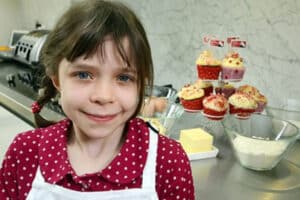
Patient Story – Tara
Tara’s Story Tara was diagnosed with leukaemia in 2005 and, in March 2013, was given the all clear. This is…
Read more Patient Story – Tara