Research
Scientific Advisory Panel
Our Scientific Advisory Panel freely give their time and expertise to drive forward childhood cancer research.

Dr Christina Halsey
Senior Clinical Lecturer, Institute of Cancer Sciences, University of Glasgow
Dr Christina Halsey is a paediatric Haematologist who combines clinical and academic work. Her research centres on the biology and treatment of leukaemias that have spread to involve the central nervous system (CNS). Current projects include investigating the adaptation of leukaemic cells to CNS and bone marrow microenvironments and identifying metabolic vulnerabilities that can be exploited therapeutically. A second major interest of Dr Christina Halsey’s group is in mechanisms and therapeutic strategies that might reduce neurotoxicity associated with CNS-directed treatment in childhood acute lymphoblastic leukaemia. This is linked to development of better biomarkers for CNS leukaemia and identifying children at risk of neurotoxicity who are suitable for targeted interventions.
Dr Christina Halsey’s research is combined with clinical work at the Royal Hospital for Children, Glasgow, where she cares for children with a wide range of blood disorders and cancer. She also play a major role in several international consortia working to improve outcomes for children with cancer and is leading several clinical studies exploring ways to improve CNS-directed therapy and reduce neurotoxicity of therapy.
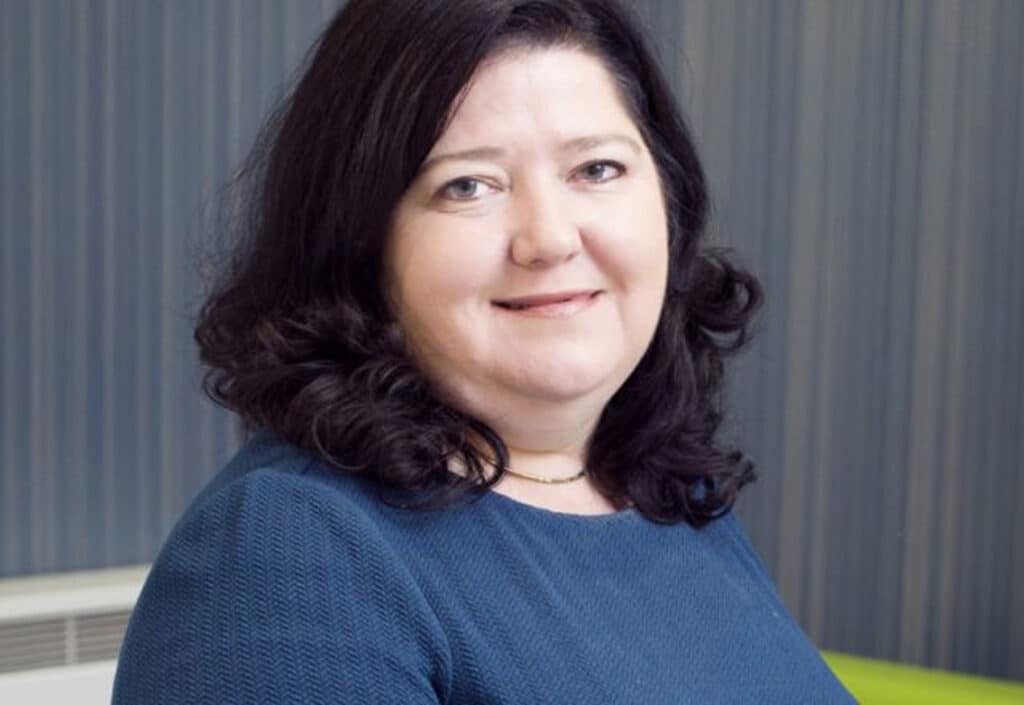
Dr Lynley Marshall, MB BCh DCH MRCPCH PhD
Consultant in Paediatric & Adolescent Oncology Drug Development, The Royal Marsden NHS Foundation Trust; Honorary Faculty/Senior Lecturer, The Institute of Cancer Research, London
Dr Lynley Marshall is a consultant paediatric oncologist and Paediatric Clinical Research Lead at The Royal Marsden Hospital, London. She heads the Paediatric and Adolescent Oncology Drug Development Team, focusing on early phase clinical trials of experimental therapeutics for high-risk, poor-prognosis malignancies (solid and CNS tumours). She undertook her PhD at The Institute of Cancer Research (ICR) in the field of novel targeted therapeutics for paediatric high-grade glioma. She is a Clinical Senior Lecturer in the Division of Clinical Studies at The ICR.
She currently chairs the UK’s NCRI Children’s Group Novel Agents Subgroup and is Clinical Trials Theme Co-Lead for the UK’s Paediatric Experimental Cancer Medicines Centre (ECMC) Network. She is a member of the Clinical Trials Committee of the Innovative Therapies for Children with Cancer (ITCC) European early phase clinical trials consortium, and of the Executive Committee of the SIOPE-ITCC ACCELERATE multi-stakeholder platform.
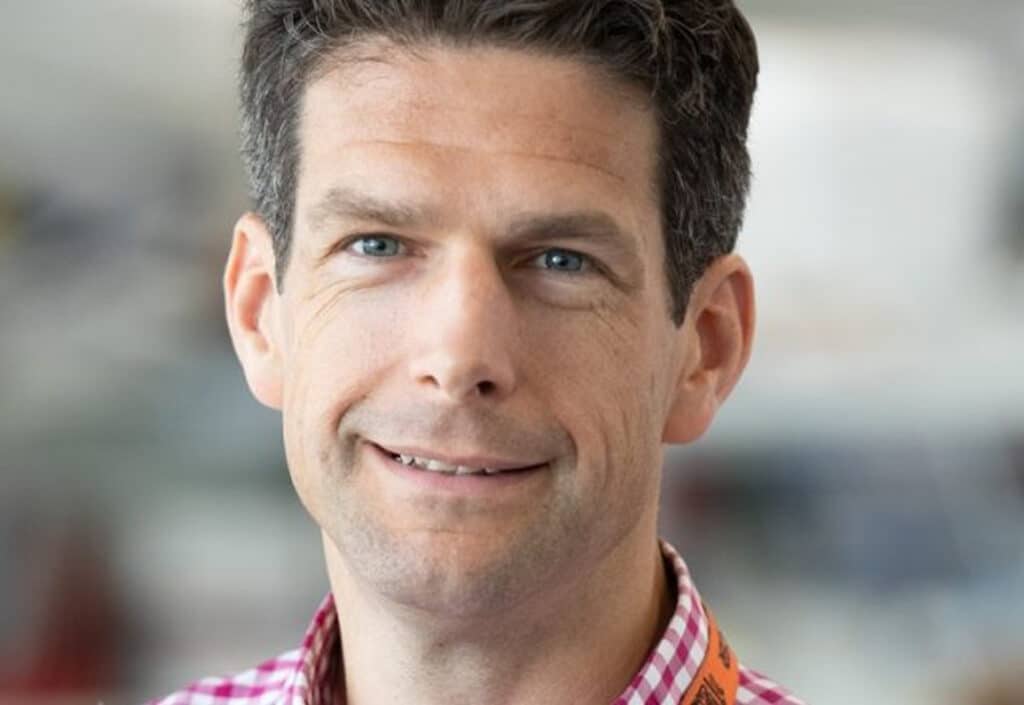
Dr Matthew Murray
University Reader and Honorary Consultant Paediatric Oncologist
Dr Matthew Murray works at both the Department of Pathology, Cambridge University and Department of Paediatric Haematology and Oncology, Cambridge University Hospitals NHS Foundation Trust, United Kingdom. He has a research interest in the clinical and molecular aspects of children’s tumours, in particular germ cell tumours (GCTs), and was the first to demonstrate the potential utility of specific circulating microRNAs for diagnosis, disease-monitoring and detection of relapse in this disease. He has attracted >£4M of grant funding to date as a Principal and Co-Investigator.
He has demonstrated leadership in GCT biology at national and international levels through his involvement in:
- MaGIC: Malignant GCT International Collaborative’ a UK-US led initiative developing international trials of extracranial GCTs in children, adolescents & young adults, including embedded biological aims. Dr Murray is the current Biology Co-Lead and Executive Committee Member.
- International Society of Paediatric Oncology (SIOP-Europe) Brain Tumour Group – GCT Subgroup.
- National Cancer Research Institute (NCRI) Children’s Cancer and Leukaemia Clinical Studies Group, GCT Subgroup.
- National Cancer Research Institute (NCRI) TYA and Germ Cell Cancer Clinical Studies Group.
- 100,000 Genomes Project (GeCIP) Testis Cancer Domain Co-Lead.

Professor Julie Irving
Professor Julie Irving is a scientist at Newcastle University with more than thirty years of experience in the field of leukaemia and is a member of national and international childhood leukaemia groups and steering committees.
Her team focuses on childhood acute lymphoblastic leukaemia and they have successfully translated their experimental findings into the clinic for the benefit of children.

Professor Zoë Walters
Professor Zoë Walters is Professor of Translational Epigenomics in the School of Cancer Sciences at the University of Southampton, where she co-leads the Innovation for Translation Research Group (ITRG) with Professor Tim Underwood. The ITRG is committed to improving the outcomes of patients with solid tumours of unmet clinical need by delivering better, less harmful and more precise treatments, via a combination of clinical and scientific excellence. Central to this mission is the Strategic Oversight Team (SOT), a group comprising patients, carers and relatives of patients, and a high-performance coach, who work closely with the ITRG at all stages of research to ensure that patient experience, priorities and perspectives remain at the heart of the programme.
Prof Walters’ research focuses on the genomics and epigenomic regulation of paediatric and adult solid tumours, with a particular emphasis on paediatric and adult soft tissue sarcomas, and oesophageal adenocarcinomas. She leads multiple national and international collaborations that integrate molecular biology, tumour microenvironment analysis, and machine learning to identify new therapeutic vulnerabilities and improve clinical decision-making. Her programme of research spans epigenetic therapies, immunotherapy development, spatial biology, and computational modelling of high-risk cancers, and has contributed to the development of preclinical strategies now informing translational research and clinical trial design.
Alongside her research, Prof Walters plays an active leadership role within the University of Southampton as Deputy Head of School (Education) and serves on numerous strategic committees. She also contributes widely to the cancer research community through her service on grant review panels, editorial boards, and international clinical and scientific working groups for paediatric sarcoma and neuroblastoma. Prof Walters is committed to training the next generation of cancer researchers, having supervised over 35 postgraduate students across MSc and PhD programmes.

Dr Olga Slater
Dr Slater has been Consultant Paediatric Oncologist at Great Ormond Street Hospital in London since 2010. Dr Slater works full time and has an extensive patient cohort. Therefore she works only at Great Ormond Street in her NHS and private patient capacity.
Dr Slater is the Lead for Sarcoma Services and Clinical Lead for Langerhans Cell Histiocytosis (LCH). Apart from the clinical interest, Dr Slater is also the educational and clinical supervisor for clinical fellows/junior doctors providing supervision and training of the new paediatric workforce.
Dr Slater has clinical and academic research interest especially in the area of sarcoma and Langerhans Cell Histiocytosis.

Petra Hamerlik
Petra Hamerlik is an accomplished researcher in primary pharmacology and brain cancer research. Her professional career has been a blend of academic and industry roles, including positions at the Danish Cancer Society, Cleveland Clinic, and AstraZeneca.
In September 2022, Petra was recruited to the University of Manchester as the Inaugural Brain Tumour Charity Chair of Translational Neuro-Oncology. Her current work is focused on identifying novel treatments and early detection of intracranial tumours in children and adults.

Professor Sue Burchill
Professor Sue Burchill graduated with a BSc in Pharmacology (1982) and PhD in Medicine (1986) from the Sunderland School of Pharmacy and the University of Newcastle upon Tyne respectively, before pursuing a translational research career. After post-doctoral research in the University of Newcastle upon Tyne, England and The University of Arizona Cancer Centre, USA she moved to Leeds in 1992 to establish the Children’s Cancer Research Group at St James’s University Hospital (SJUH) in Leeds, where she remains the scientific director. Sue is also the CHORAL Director of translational laboratory research for young people and Deputy Head of Molecular Medicine in the Leeds Institute of Medical Research, SJUH.
Sue has made major contributions to medical research in the field of cancer in children and young people, her leadership in multi-disciplinary collaborative groups includes shaping international strategies for the evaluation of novel circulating biomarkers, identification and advancement of targeted treatments to improve cure rates and minimise treatment associated morbidities.
Her own research is focussed on strategies to detect and eradicate the metastatic drug-resistant disease that is responsible for progression and relapse in neuroblastoma and bone cancers that affect young people.

Madeleine Adams
Madeleine Adams is a Consultant Paediatric Oncologist at the Children’s Hospital for Wales in Cardiff.
She has a clinical interest in sarcoma and paediatric cancer predisposition and a research interest in quality of life and patient reported outcomes

Vincenzo D’Angiolella
Vincenzo D’Angiolella is Charles and Ethel Barr Chair of Cancer Research at The Institute for Genetics and Cancer within the University of Edinburgh. He previously worked as Professor of Molecular Oncology at the University of Oxford where he served as director of the Master Course in Radiation Oncology within the Department of Oncology. His research group focuses on understanding the role of the ubiquitin system in cancer pathogenesis and response to treatment with chemo- and radiotherapy.
He is currently holding two programme grants from the Cancer Research UK (CRUK) and Medical Research Council (MRC), focused on the role of Cullin Ring ubiquitin Ligases (CRLs) in brain cancers (medulloblastoma and glioblastoma) pathogenesis. Studies from his laboratory have uncovered the mechanism of action and function of Fbxl17 in medulloblastoma and highlighted a novel synthetic lethal interaction between cyclin F loss and Chk1 kinase inhibition.
More recently, the laboratory has identified that mutations occurring on the E3 ligase KBTBD4 in medulloblastoma change substrate specificity driving the recognition of the chromatin remodelling complex CoREST. This work describes the first neomorphic mutation in an E3 ubiquitin ligase and elucidates a novel mechanism of tumorigenesis in medulloblastoma. In addition, research from his group uncovered novel targets in glioblastoma through CRISPR screen, elucidating an axis required for DNA repair in mitosis.
Vincenzo has a Medical Degree (MD) from the University of Naples “Federico II” and completed his PhD at the same University in the field of General Pathology. During his PhD utilizing X. Laevis as a model system, he investigated the process of mitosis and spindle checkpoint.
Following the completion of his studies, he worked as a postdoctoral fellow at the New York University School of Medicine in the USA in the laboratory of Professor Michele Pagano. During the postdoctoral studies, he elucidated the mechanism-of-action and function of cyclin F, the founding member of the F-box proteins. He uncovered that cyclin F does not partner with Cyclin Dependent Kinases (CDKs) like other cyclins do, but acts as an E3 ubiquitin ligase, forming a canonical CRL1.
Learn more about the team

The members of our Scientific Advisory Panel freely give their time and expertise to drive forward research in our fight against childhood cancer. This includes assessing research grant applications as part of our peer review process and discussing developments in the field to take forward new initiatives.
Research into childhood cancer is a broad field and we aim to reflect the diversity of topics amongst the membership of our Scientific Advisory Panel.
Thus, we select our Scientific Advisory Panel from a pool of experts to tailor for each funding call, depending upon the subject background required. Tenure on the Panel is for up to three years.
Below, you can read about the Scientific Advisory Panel appointed to our most recent Research Grant Call, which was for Research into Childhood Cancer Treatment and Survival in 2019.
Other stories
We have lots of information to help you learn more about childhood cancer. From specific cancer types, to treatments and causes.
Teenage and Young Adult Cancer Awareness Month 2026
Childhood cancer survivor shares his story for Teenage and Young Adult Cancer Awareness Month after completing a marathon and inspiring others to follow.
Read more Teenage and Young Adult Cancer Awareness Month 2026
Alfie’s Glioblastoma Story
Alfie’s Glioblastoma Story Alfie was only 3 months old when his dad noticed something wasn’t right. Read his full story…
Read more Alfie’s Glioblastoma Story
Teddy’s Leukaemia Story
Teddy’s Leukaemia Story Teddy was only 3 when he was diagnosed with Leukaemia. His father, Sam is sharing Teddy’s story…
Read more Teddy’s Leukaemia Story
2026 Research Grant Call launched
Children with Cancer UK launches the 2026 Research Grant Call to accelerate breakthroughs in childhood cancer
Read more 2026 Research Grant Call launched
Emil’s Brain Tumour Story
Emil’s Brain Tumour Story Hear Emil tell his story of his brain tumour diagnosis when he was 9 and how…
Read more Emil’s Brain Tumour Story
Ren’s Neuroblastoma Story
Ren’s Neuroblastoma Story Ren was diagnosed with Neuroblastoma at just eight months old. His mum Harriot is sharing his story….
Read more Ren’s Neuroblastoma Story
Brain Tumour Awareness Month
Children with Cancer UK is raising awareness & funding new research to deliver more targeted treatment for children with brain tumours
Read more Brain Tumour Awareness Month
Fundraiser of the Month: Darragh
Fundraiser of the Month: Darragh Our Fundraiser of the Month for March 2026 goes to Darragh, who took on the…
Read more Fundraiser of the Month: Darragh
Patient Story – Daithi
Daithi’s Story: Living with Neuroblastoma Daithi was diagnosed with neuroblastoma, a rare childhood cancer. His parents, Gemma and Connor, tell his…
Read more Patient Story – Daithi
Andrew’s Leukaemia Story
Andrew’s Leukaemia Story Andrew was only a toddler when he started to get poorly and was soon after diagnosed with…
Read more Andrew’s Leukaemia StoryOther stories
We have lots of information to help you learn more about childhood cancer. From specific cancer types, to treatments and causes.
Advancing new therapies against germ cell tumours in children and young adults – decreasing side effects, overcoming resistance
The team’s proposal aims to advance a promising new therapeutic approach against germ cell tumours from the bench, towards the clinic and patient benefit.
Read more Advancing new therapies against germ cell tumours in children and young adults – decreasing side effects, overcoming resistance
Tracking the spread of metastatic medulloblastoma to identify key drivers of disease progression and therapeutic vulnerabilities
This research addresses a critical gap in our understanding of how medulloblastoma, a fast-growing and often aggressive brain cancer that primarily affects children, spreads to other parts of the brain and spine (a process called metastasis).
Read more Tracking the spread of metastatic medulloblastoma to identify key drivers of disease progression and therapeutic vulnerabilities
Making immunotherapy more powerful for high-risk acute leukaemia
Making immunotherapy more powerful for high-risk acute leukaemia Project Details Overview The most common cancer in children is a type…
Read more Making immunotherapy more powerful for high-risk acute leukaemia
Dissecting apart the biology of childhood lymphoma in Africa towards improving treatment outcome
Dissecting apart the biology of childhood lymphoma in Africa towards improving treatment outcome Project Details Overview We want to understand…
Read more Dissecting apart the biology of childhood lymphoma in Africa towards improving treatment outcome
Can targeting RNA help treat children with neuroblastoma?
Can targeting RNA help treat children with neuroblastoma? Project Details Overview Neuroblastoma is a childhood cancer that mainly affects babies and young…
Read more Can targeting RNA help treat children with neuroblastoma?
The BIOMECA2 Study: Linking tumour biology to better treatment in a study of an aggressive childhood brain tumour
The BIOMECA2 Study: Linking tumour biology to better treatment in a study of an aggressive childhood brain tumour Project Details…
Read more The BIOMECA2 Study: Linking tumour biology to better treatment in a study of an aggressive childhood brain tumour
Looking for early signs on brain MRIs that can predict whether young people with ependymoma will go on to experience cognitive problems
Looking for early signs on brain MRIs that can predict whether young people with ependymoma will go on to experience…
Read more Looking for early signs on brain MRIs that can predict whether young people with ependymoma will go on to experience cognitive problems
Blocking the activity of an essential protein to treat T-cell acute lymphoblastic leukaemia
Blocking the activity of an essential protein to treat T-cell acute lymphoblastic leukaemia Dr Maarten Hoogenkamp will continue his work…
Read more Blocking the activity of an essential protein to treat T-cell acute lymphoblastic leukaemia
Development of natural killer cell immunotherapy for paediatric rhabdomyosarcoma
Development of natural killer cell immunotherapy for paediatric rhabdomyosarcoma Dr Matthew Blunt aims to create and test immunotherapy treatments for…
Read more Development of natural killer cell immunotherapy for paediatric rhabdomyosarcoma
Developing immunotherapy for childhood sarcomas.
Research Developing immunotherapy for childhood sarcomas. Some childhood cancers don’t respond well to chemotherapy, but there is hope in the…
Read more Developing immunotherapy for childhood sarcomas.