Childhood Cancer Info
Sarcoma in Children
A sarcoma is a type of soft tissue or bone cancer.
The three most common childhood sarcomas are osteosarcoma, rhabdomyosarcoma and Ewing sarcoma.
What is sarcoma?
A sarcoma is a type of cancer and accounts for 5.5% of all cancers diagnosed in children. Sarcomas can either occur in the bones or the soft tissues in the body, such as muscles, fat, the linings of joints, or blood vessels. Although childhood sarcomas can be found anywhere in the body, children generally develop them their arms, legs, chest, or abdomen. The three most common childhood sarcomas are osteosarcoma, rhabdomyosarcoma and Ewing sarcoma.
Osteosarcoma
Osteosarcoma is the most common type of bone cancer in children. Tumours mostly occur in the bones on either side of the knee and in the upper arm. Symptoms may include bone pain, swelling, redness and bone fracture.

Long-term survival in children diagnosed with sarcomas has remained disproportionally poor compared to other childhood cancers and sarcomas are one of the most life-threatening cancers children may experience. Research that looks to change the way these cancers are treated is an urgent and vital component to bring a change for children with this diagnosis. Read about Bethany’s bone cancer story to learn more about how Osteosarcoma can affect children.
Dr Sibylle Mittnacht, who we’re funding to look into more effective treatments for children affected by sarcomas.
Ewing sarcoma
Ewing Sarcoma is a type of bone cancer that mainly affect legs, pelvis, arms and ribs. Symptoms of this tumour include bone pain, swelling, fever and bone fracture. Treatment of Ewing Sarcoma may include a combination of surgery, chemotherapy and radiotherapy.
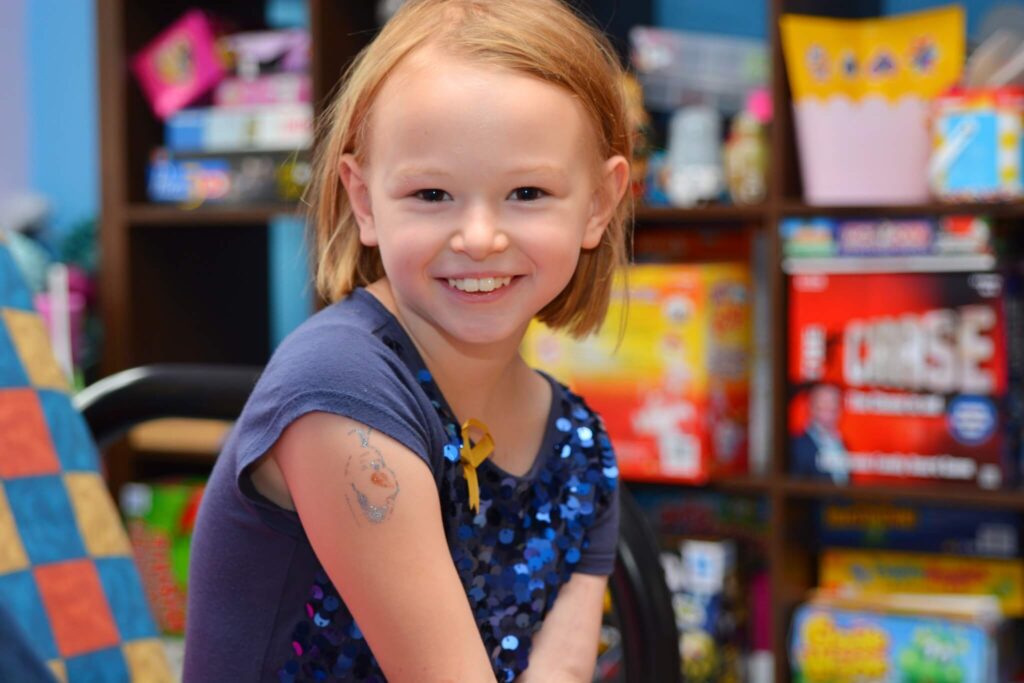
Ewings has changed our lives so much. We are thankful each and every day for our daughter. We’ve learnt to build a new life and we appreciate every little thing. We live our lives to the full and Bethan won’t let the cancer take anything from her.
Bethan’s mum. Bethan is now 7 years all clear, in high school and is doing really well.
Rhabdomyosarcoma
Rhabdomyosarcoma (also known as RMS) is a type of sarcoma cancer that is found in the muscle. Rhabdomyosarcoma tumours occur mostly around the head and neck.
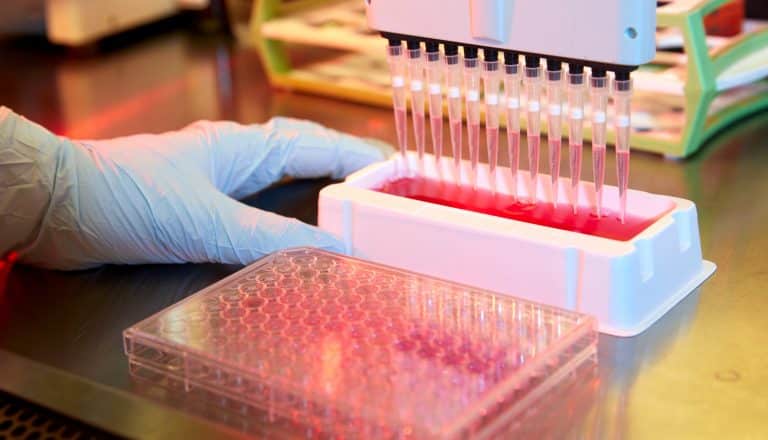
The initial symptoms are often minor and go unnoticed. If they are missed at an early stage, it can have a big impact on chance of survival. This means that it is important to help aid earlier diagnosis for these children.
Dr Marc Tischkowitz, who we’re funding to improve the speed and timing of diagnosis for rhabdomyosarcoma.
Our bone cancer awareness initiative
We’re aiming to reach all GP practices, medical students, radiology departments, muscular skeletal physiotherapists and pharmacies in the UK to provide them with the knowledge and tailored tools to identify a potential case of primary bone cancer.
Currently 27% of 0-14 year olds receive their diagnosis after attending A&E – a statistic that we simply cannot accept and are determined to change with our partners at the Bone Cancer Research Trust. Early diagnosis really can be the difference between life or death and this initiative will lead to more lives being saved.
CEO, Children with Cancer UK

Topics on this page
- Sarcoma in Children
- What is sarcoma?
- Osteosarcoma
- Ewing sarcoma
- Rhabdomyosarcoma
- Our bone cancer awareness initiative
Contact us

If you need assistance or have questions, our team is here to help.
Related topics
We have lots of information to help you learn more about childhood cancer. From specific cancer types, to treatments and causes.

Kids Like Us: Reunited
Kids Like Us: Reunited The Emmy-nominated Kids Like Us returns with a new digital series, reuniting some of the young…
Read more Kids Like Us: Reunited
Fundraiser of the Month: Adam
Fundraiser of the Month: Adam Our Fundraiser of the Month for September 2026 goes to the incredible Adam, who is…
Read more Fundraiser of the Month: Adam
Tin and Bucket Collectors
Become a Tin or Bucket Collector Help Children with Cancer UK fund vital research and support for children and families…
Read more Tin and Bucket Collectors
Raise £1,000 or more and we’ll say thank you in the Financial Times
Every company that raises or donates £1,000 or more this September during Childhood Cancer Awareness Month will be recognised in a full-page thank…
Read more Raise £1,000 or more and we’ll say thank you in the Financial Times This September, swap the school uniform for something a little… BIGGER.
Bring Big Clothes Day to your school, college or family and help fund kinder cancertreatments for children. One day. One enormous outfit. One very important…
Read more This September, swap the school uniform for something a little… BIGGER.
Lapland Terms and Conditions
Terms and Conditions LAPLAND TRIP COMPETITION Launch Date: 16 June 2026Closing Date: 23.59, 31 July 2026 Late entries won’t count…
Read more Lapland Terms and Conditions
Lapland
Win A Magical Trip to Lapland for your Family Text: 2BIGWIN to 70422 Cost: £2.00 per text plus your standard…
Read more Lapland
Father’s Day 26
Honour your dad or father figure this Father’s Day Father’s Day can bring celebration and remembrance. You can honour a…
Read more Father’s Day 26
Father’s Day 2026
Honour your dad or father figure this Father’s Day Father’s Day can bring celebration and remembrance. You can honour a…
Read more Father’s Day 2026
Teenage and Young Adult Cancer Awareness Month 2026
Throughout April, we’ll be sharing stories from young people about the impact of cancer on fertility, body image, mental health and education, to amplify their voices and raise awareness of their experiences.
Read more Teenage and Young Adult Cancer Awareness Month 2026